
Digital Innovation in Modern Healthcare
The rise of digital healthcare has reshaped how patients receive care and how providers manage operations. Hospitals, clinics, and support teams now rely on data, connectivity, and remote platforms to keep healthcare accessible and efficient.
Among the most impactful innovations are Remote Patient Monitoring (RPM), Tele Triage, and Tele Advice. Together, they represent the backbone of connected care. Each addresses a distinct stage of patient support, from real-time data collection to clinical assessment and educational follow-up.
These advancements are not isolated. They reflect a global shift toward digital health systems that value prevention, coordination, and long-term wellness over reactive care. By linking technology with expertise, healthcare becomes more personal, efficient, and sustainable.
Remote Patient Monitoring as the Foundation of Continuous Care
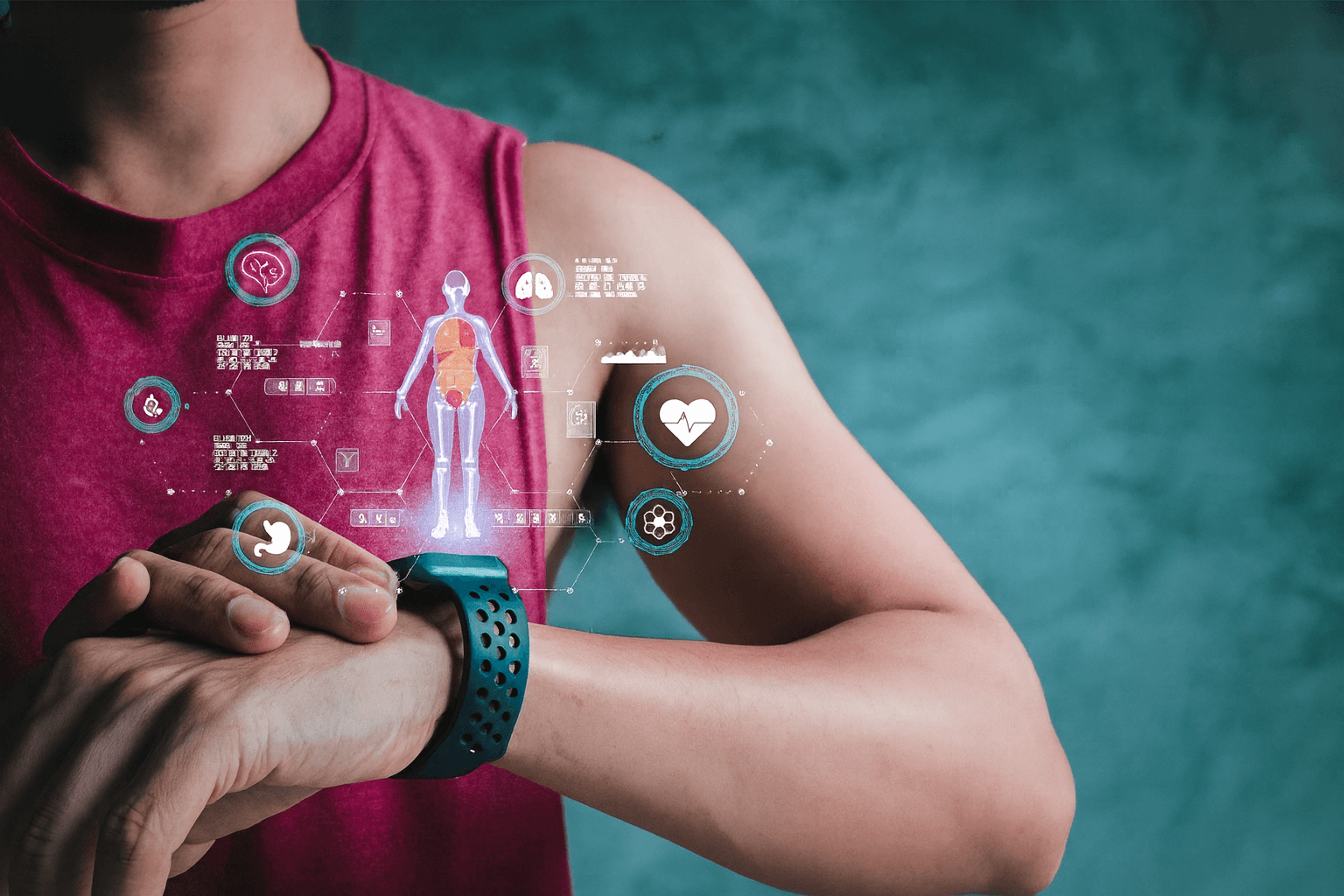
RPM, or Remote Patient Monitoring, plays a vital role in maintaining continuous care beyond the hospital setting. Through wearable devices, patients share daily updates such as blood pressure, oxygen levels, or glucose readings. This data allows healthcare teams to intervene early and prevent complications.
Remote monitoring not only reduces hospital visits but also fosters trust between patients and providers. Every recorded metric tells part of a story that can guide real-time decisions. Providers use this insight to adjust treatment plans or recommend timely evaluations.
Within virtual healthcare, RPM stands as the cornerstone of proactive medicine. It bridges the gap between hospital discharge and home recovery, ensuring that clinical attention continues seamlessly.
Tele Triage in Patient-Centered Assessment

Tele Triage ensures patients receive the right level of care at the right time. It functions as a digital front line, the first point of evaluation when symptoms appear. Through structured assessment protocols, trained clinicians determine whether a patient needs emergency treatment, a specialist visit, or simple home care.
This system saves valuable time while optimizing hospital workflows. By routing cases correctly, tele-triage prevents unnecessary strain on emergency departments and reduces wait times. For patients, it offers instant reassurance that their concerns are being addressed with professional oversight.
In coordinated healthcare models, tele-triage is both a safety net and a time-saver. It keeps the flow of care moving smoothly and strengthens confidence in digital service delivery.
Tele Advice for Health Literacy and Patient Confidence
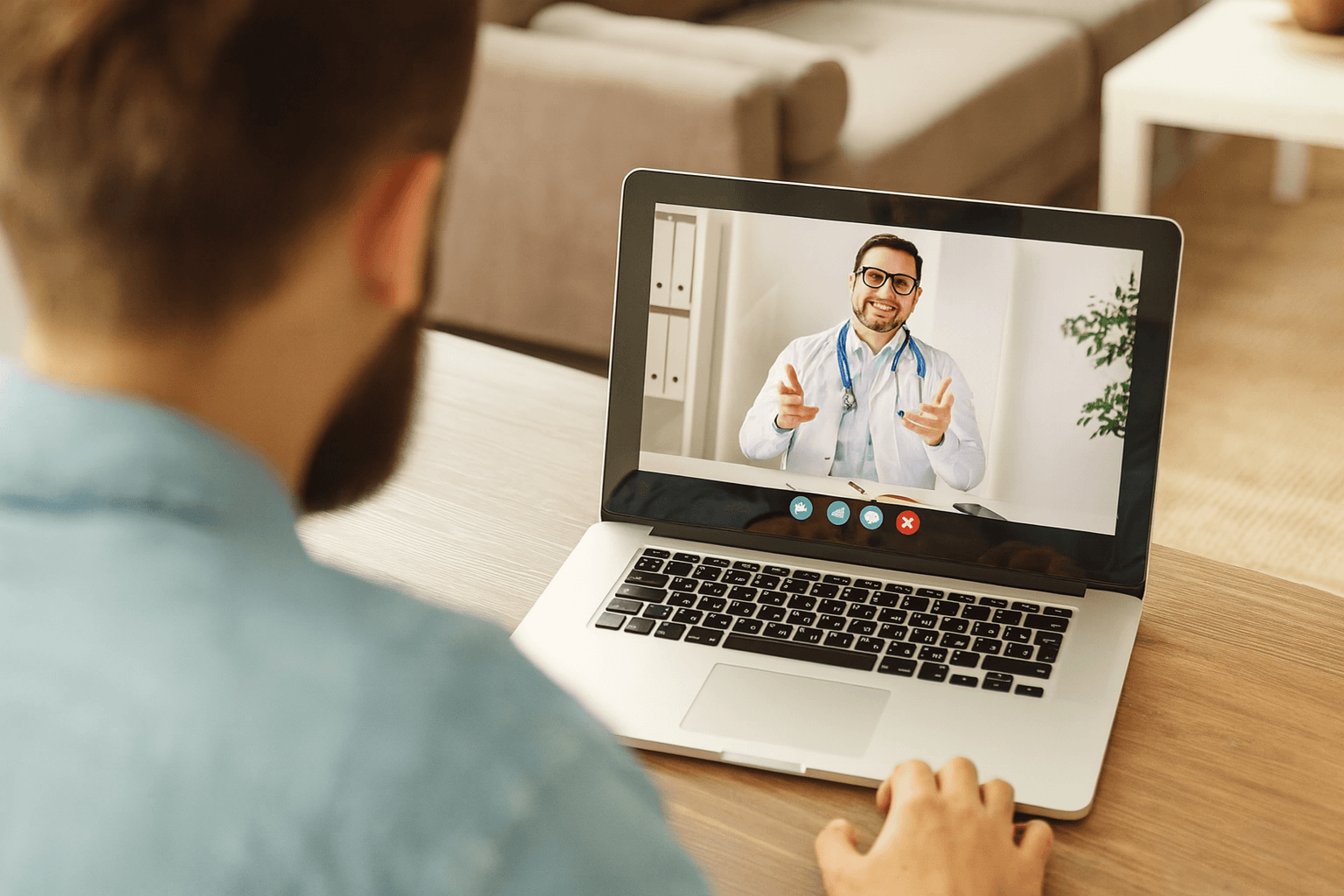
Tele Advice supports patient understanding and encourages self-care. It provides access to licensed professionals who answer health-related questions, explain treatment instructions, or clarify post-visit guidance.
This service is not about diagnosis but education. It empowers patients to manage their health responsibly while reducing unnecessary clinic visits. When individuals understand their conditions better, they are less likely to experience anxiety or misuse healthcare resources.
Tele-advice demonstrates how simple communication can elevate health outcomes. By combining empathy with accuracy, it turns information into reassurance and confusion into clarity.
Other Essential Functions Supporting Remote Care
To strengthen these digital services, healthcare organizations rely on several operational functions that maintain efficiency behind the scenes. Among them are:
Healthcare Reimbursement Systems
This function ensures that billing processes remain compliant and accurate. By aligning claims with the latest codes and regulations, providers secure faster reimbursements and fewer denials. It forms the financial structure that keeps remote services sustainable.
Care Quality Engagement
Patient experience defines how individuals perceive care from start to finish. When combined with remote services, it builds satisfaction through consistent communication, empathy, and responsiveness. This engagement improves loyalty and long-term outcomes.
Financial Continuity Solutions
Revenue Cycle Management connects all financial touchpoints, from patient registration to final payment. Through automation and oversight, it supports both clinical and operational performance. Effective management ensures that care quality is matched by financial stability.
These support systems enhance the reliability of Care Agent BPO frameworks, ensuring that telehealth operations run smoothly from both patient and administrative perspectives.
Clinical Coordination and Healthcare Outsourcing Impact
The success of remote healthcare depends on clinical coordination, the ability to integrate communication, data, and documentation across multiple departments. This coordination connects monitoring alerts, triage responses, and advice sessions into one unified record.
Through healthcare outsourcing, organizations can scale these services efficiently. External teams manage specialized workflows like RPM dashboards, triage hotlines, and patient education centers while maintaining compliance and data security.
Outsourcing also introduces flexibility. It allows hospitals to expand capacity during high demand while maintaining quality. As more patients embrace virtual healthcare, these partnerships ensure that digital care remains consistent, secure, and patient-focused.
Patient Engagement as the Future of Digital Health

Modern healthcare thrives on active participation. Patient engagement transforms care from a one-time appointment to a continuous conversation. With tools like RPM, tele-triage, and tele-advice, patients become empowered participants in their own health.
They track their progress, communicate frequently, and make informed choices based on professional input. This engagement leads to improved adherence, satisfaction, and health outcomes.
Digital health platforms also make engagement measurable. Each interaction, whether a reading, call, or consultation, adds data that helps providers refine their approach. Over time, this cycle of communication turns technology into trust.
Advancing Connected Care for Every Patient
The healthcare landscape continues to evolve through data, innovation, and human connection. Systems like Remote Patient Monitoring, Tele Triage, and Tele Advice are redefining how providers deliver care that is efficient, compassionate, and continuous.
To stay ahead, healthcare organizations must strengthen their digital infrastructure. Integrating reimbursement systems, patient engagement programs, and revenue management ensures balance between care quality and operational excellence.
Begin building your connected care network today. Combine technology with empathy, structure with service, and data with insight. The result is stronger communication, faster action, and better outcomes for every patient under your care.