
Connections That Define Modern Healthcare
At the heart of healthcare lies a network of people working together for one purpose, healing. The Human Network Behind Healthcare Systems represents how every individual contributes to this shared mission. From physicians and nurses to administrative staff, from call center agents to data specialists, every role supports a connected web of care built on trust and collaboration.
When professionals communicate with empathy and precision, the result is stronger relationships and better patient outcomes. Each exchange, whether a conversation between doctors or a digital update in a shared record, creates the foundation of effective care.
Technology can organize data, but it is human connection that gives meaning to every action. By recognizing that cooperation fuels healing, healthcare organizations transform systems into compassionate experiences where clarity, responsiveness, and understanding define every step of the journey.
Integration and Strength in Revenue Cycle Management
Behind every successful healthcare network lies a reliable financial engine. Revenue Cycle Management supports the operational flow that keeps services sustainable, from patient registration to payment completion. This structure ensures continuity while maintaining financial transparency.
When departments collaborate, billing accuracy increases and strain decreases. Effective communication between finance and clinical teams allows smoother coordination, reducing delays and preventing revenue leakage. This alignment reinforces patient trust and institutional stability.
Through streamlined care coordination, healthcare providers balance administrative accuracy with personalized service. Teams that share data and updates effectively minimize errors, improve response time, and allow clinicians to focus on delivering quality care instead of managing financial complexities. The result is a stronger framework that sustains both business and compassion.
Reducing Barriers Through Denial Management
In every healthcare network, Denial Management acts as a safeguard against lost revenue and patient frustration. Every denied claim is a signal, a chance to learn where communication faltered and how processes can improve.
By maintaining open channels between billing, coding, and insurance teams, organizations reduce errors and accelerate resolutions. Transparent updates transform denials into opportunities for process optimization. Collaboration ensures accountability and creates a continuous learning cycle that strengthens the entire support framework.
Denial prevention relies on understanding both the technical and human sides of healthcare. When teams share feedback quickly, they prevent backlogs and avoid unnecessary disputes. Every resolution achieved through teamwork restores balance and ensures that both patients and providers remain confident in the integrity of the system.
Utilization Management as a Strategic Core
In healthcare, resources are precious. Utilization Management ensures that medical services are appropriate, efficient, and equitable. It guides decision-making by combining data-driven insight with professional judgment, balancing quality and cost-effectiveness.
This discipline depends on communication among doctors, case managers, and insurers. When approvals move swiftly and clearly, patients experience smoother transitions and faster access to care. Open collaboration reduces delays and ensures that every decision aligns with medical necessity and ethical standards.
In this context, healthcare collaboration becomes a strategic tool. Clear communication prevents redundancy, strengthens policy compliance, and enhances patient confidence. When all participants work toward shared goals, utilization oversight transforms from an administrative function into a model of fairness and trust.
What Strengthens a Human Network in Healthcare

A healthy healthcare network depends on people who listen, respond, and care. Beyond advanced systems lies an essential truth: empathy sustains the system. Leaders who cultivate communication across disciplines create workplaces where professionals feel valued and heard.
Teams grounded in empathy and respect achieve higher levels of consistency. They set standards through open dialogue, cross-functional meetings, and inclusive planning. When teams unite under shared goals, they create an environment of medical workforce excellence, one where reliability and compassion coexist.
Through collaborative leadership, organizations evolve from isolated departments into interconnected ecosystems. They foster growth by celebrating input from every role, acknowledging that every voice contributes to a stronger collective. In The Human Network Behind Healthcare Systems, strength is measured not only by skill but by connection.
How Collaboration Shapes Better Outcomes
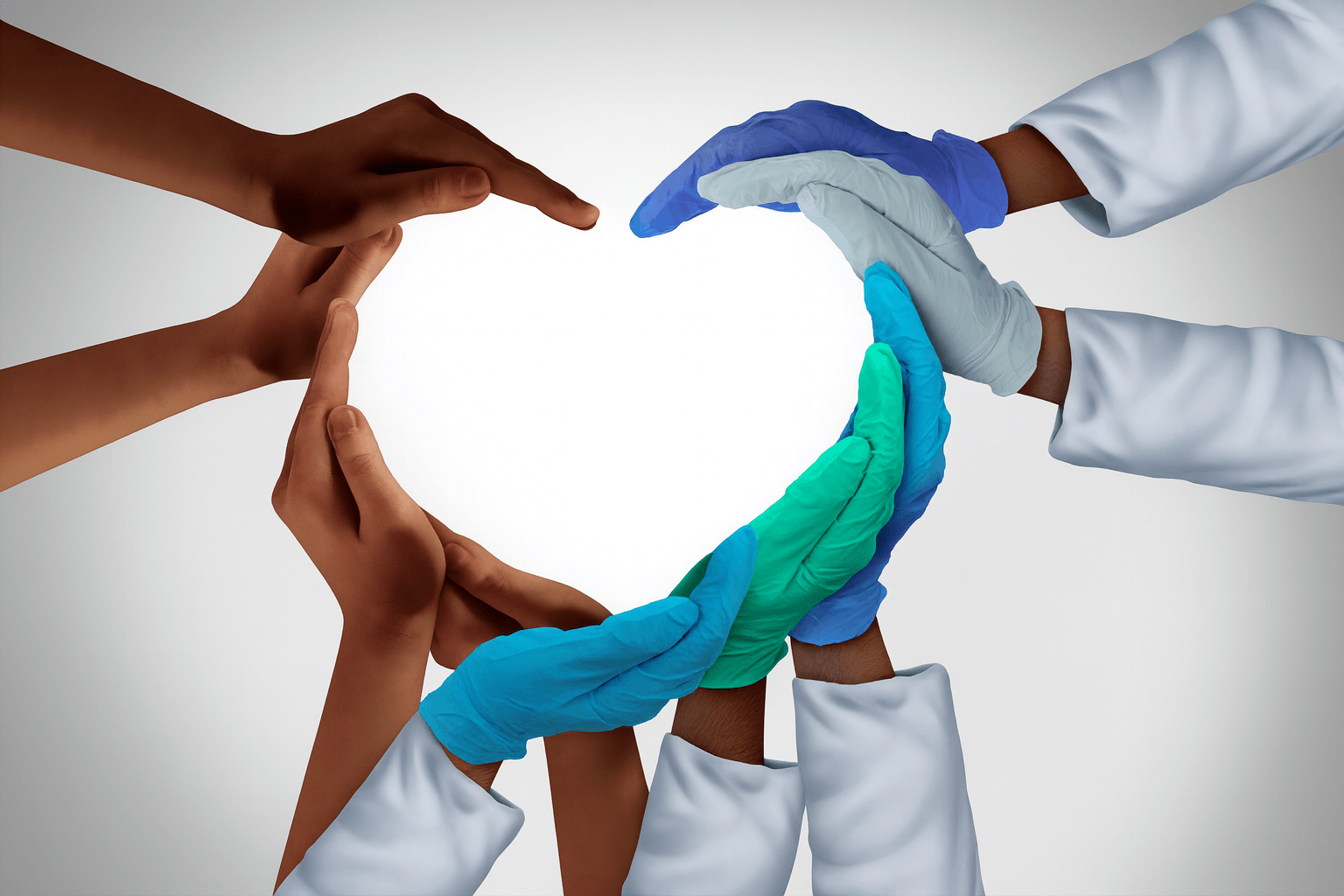
Collaboration transforms healthcare from fragmented effort into synchronized precision. When specialists, nurses, and administrative teams work in alignment, they minimize risk and maximize impact. Each contribution fits into a larger puzzle that reflects mutual respect and understanding.
Hospitals that invest in care coordination tools and communication training see measurable benefits, fewer errors, shorter patient stays, and higher satisfaction scores. Collaboration improves efficiency, but more importantly, it humanizes processes that can often feel impersonal.
Teamwork is both an art and a structure. When roles overlap with trust, communication becomes seamless. The Human Network Behind Healthcare Systems demonstrates that healthcare excellence is not achieved through competition but through partnership, creating results that are both clinically sound and emotionally meaningful.
Empower Your Healthcare Network Today
A strong healthcare network depends on alignment between structure and compassion. The Human Network Behind Healthcare Systems proves that collaboration is not just operational, it’s cultural. Each connection builds resilience and drives long-term growth.
Through services like Care Agent BPO, organizations can enhance internal workflows, improve communication, and maintain consistency across departments. These solutions help healthcare institutions focus on people instead of paperwork, nurturing patient confidence through clarity and care.
Healthcare innovation continues to evolve, but technology alone cannot replace the value of connection. When every team member understands their role within the network, performance improves, and patient outcomes rise. Compassion, communication, and coordination remain the true engines of progress.
Building a sustainable healthcare system starts with people. By empowering teams and refining processes, organizations establish a cycle of trust and efficiency that benefits everyone, from patients to providers. In every sense, the human network is where modern care begins and where its future continues to grow.