
The Structure of Sustained Healthcare Efficiency
Sustained efficiency is the foundation of progress in modern healthcare. It ensures that systems do not just function, they evolve. Every operation, from administrative support to patient communication, depends on consistency and adaptability.
Healthcare organizations can no longer rely on short-term process gains. They need frameworks that maintain excellence while managing change. Sustained efficiency focuses on improving internal coordination, reducing redundancy, and ensuring long-term readiness.
True efficiency does not end with automation; it extends into strategy and accountability. Hospitals and clinics that operate with structured coordination can respond faster to new policies, patient needs, and technological updates. The result is a resilient healthcare operation designed to grow with time.
Data Management for Operational Consistency

Reliable data is the backbone of healthcare performance. Without clear information flow, even advanced systems lose direction. Sustained efficiency begins with strong data management practices that promote accuracy, accessibility, and integration.
When data moves seamlessly between clinical and administrative teams, operations become more transparent. Staff can make faster decisions, monitor progress, and predict needs more effectively. Proper data management also supports compliance by ensuring that documentation meets regulatory standards.
Through connected data systems, healthcare networks gain valuable insights. Patterns in patient care, staffing, and resource use become easier to identify. These insights shape smarter planning and allow leaders to allocate resources with precision.
Data consistency eliminates duplication and delays, creating a workflow where every action builds upon verified information.
How Can Automation Sustain Healthcare Performance
Automation has become a vital element in healthcare transformation. The question that many leaders now face is clear: how can automation sustain healthcare performance over time?
Automation enhances efficiency when applied strategically. Repetitive tasks like scheduling, form processing, and data entry can be handled through intelligent systems, freeing human staff to focus on higher-value work.
With healthcare automation, organizations reduce manual errors while maintaining speed and reliability. Automation also provides audit trails and real-time analytics, supporting compliance and continuous improvement.
Sustained efficiency emerges when automation is not viewed as a replacement but as an enhancement. It empowers teams to manage growing patient volumes, adapt to evolving technologies, and maintain consistent service quality.
Patient Support Through Digital Coordination
Healthcare efficiency is always measured by how patients experience their care. Smooth processes behind the scenes create smoother experiences at the front line. Patient support is where sustained efficiency becomes visible.
When systems communicate effectively, patients benefit from shorter wait times, clearer updates, and better access to information. Coordinated platforms allow them to schedule appointments, review records, and receive reminders without confusion.
Through integration with telehealth coordination tools, patients can connect with professionals remotely while maintaining access to their data. This continuity builds trust and engagement, especially for ongoing treatments or chronic care programs.

Patient support also includes empathy and responsiveness. When healthcare teams communicate clearly and consistently, efficiency feels personal, not mechanical.
Electronic Health Records as a Core of Sustainability
The use of electronic health records (EHRs) has reshaped healthcare operations across the world. Sustained efficiency depends on how well these systems are organized, updated, and connected to the rest of the operational framework.
EHRs promote consistency by centralizing data, reducing paper dependency, and improving access across departments. When structured properly, they support smoother patient transitions between specialists, facilities, and services.
Integration between EHR systems and automation tools further boosts performance. Real-time updates help staff avoid duplication, and alerts reduce medical errors. These efficiencies translate into better patient outcomes and cost savings.
The sustainability of healthcare operations relies on continuously optimizing EHR systems to match the pace of modern care demands.
Compliance Monitoring and Staff Training Synergy
Compliance is an ongoing responsibility, not a single task. Healthcare organizations must follow strict guidelines for privacy, documentation, and care standards. Compliance monitoring systems provide oversight, ensuring operations remain transparent and accountable.
Sustained efficiency in compliance requires both technology and human understanding. Automated reports can identify gaps, but only trained staff can apply corrective actions effectively. That is where staff training becomes essential.
Continuous training programs keep employees informed about the latest protocols and system updates. They also promote consistency in patient handling, billing, and data management. When staff understand both the process and purpose, compliance becomes part of the organizational culture.
The relationship between training and compliance creates stability. It strengthens operational reliability while reinforcing patient trust.
Analytics and Performance Optimization in Healthcare
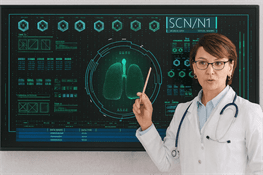
Healthcare analytics provides the insight that sustains progress. It turns raw data into actionable intelligence, guiding decision-makers toward measurable improvement. Efficiency cannot be maintained without understanding performance, analytics delivers that visibility.
Through continuous analysis, organizations can track productivity, identify slow points, and predict future challenges. This helps leaders design proactive strategies rather than reacting to problems after they occur.
Performance optimization builds on these insights. It encourages a culture of refinement, where teams evaluate results, adjust workflows, and reinforce best practices. Healthcare operations become living systems that learn and adapt over time.
Analytics also connects to patient experience. By examining feedback and outcomes, healthcare providers can refine both clinical and operational processes to deliver consistent, high-quality service.
Advancing Healthcare with Integrated Coordination
Healthcare efficiency thrives when technology, people, and policy move in the same direction. Sustained performance requires leadership that prioritizes connection and clarity.
Each operational area, from patient support to compliance, depends on the others. Data feeds automation, automation supports analytics, and analytics drives improvement. These layers form a single framework for efficiency.
Organizations that embrace this model develop stronger networks and faster decision-making. They also gain the flexibility to adapt to external changes, such as new regulations or industry innovations.
Companies like Care Agent BPO help organizations maintain this structure by integrating technology with human expertise. Their coordinated solutions turn complexity into consistency, allowing healthcare teams to focus on quality care and innovation.
Begin your transformation toward long-term healthcare excellence. Sustain your efficiency, strengthen your coordination, and achieve performance that grows with every operation. Reach out today to create your connected future in care.