
Stronger systems shape calmer days in every part of healthcare. When teams rely on stable processes, the entire environment becomes easier to navigate. Tasks feel lighter. Decisions feel clearer. People communicate with more confidence. Patients also feel the difference because their care journey becomes smoother and more predictable. Strong systems guide both teams and patients through stressful moments with greater ease. They protect the flow of each day and create a steady foundation for meaningful care.
Healthcare organizations constantly balance urgency, precision, and compassion. Without strong systems, this balance becomes difficult to maintain. Yet when structure supports each part of the workflow, teams handle challenges with less pressure. They move through tasks with purpose. They follow consistent steps that reduce confusion. This rhythm creates the calm that healthcare environments need, especially when patient volume increases or situations become complex.
Better systems also improve coordination. Information moves faster. Updates remain clear. Teams understand their role within the broader care process. This unity keeps everyone focused on patient needs. Smooth coordination gives patients reassurance because each step feels connected. When both internal teams and patients experience this kind of steadiness, the environment transforms. It becomes more efficient, more human, and more dependable.
Clear Operations With Better Medical Billing Support

Clear operations help teams work with less stress. When financial processes remain organized, the entire day feels more predictable. Staff handle tasks with less hesitation because they understand each step. This clarity creates calm. It also supports better communication across teams because people no longer struggle with missing information or unclear processes.
A key part of this clarity develops through Medical Billing systems. When billing stays accurate and well-structured, teams avoid unnecessary delays. Claims move smoothly. Patients receive correct statements. Staff do not waste energy resolving repeated issues. This efficiency supports stronger systems that protect both patients and providers from confusion.
Medical Billing also influences the patient experience. When financial information remains easy to understand, patients trust the organization more. They feel reassured when charges remain clear and predictable. This clarity reduces anxiety, which improves the entire care journey.
Stronger systems help teams respond faster to patient needs. They keep billing aligned with clinical activities. They maintain cleaner records. They offer clearer insights that support long term planning. As a result, Medical Billing becomes more than a financial function. It becomes a stabilizing force that shapes calmer days for everyone involved.
Because billing clarity influences every department, strong billing systems naturally strengthen coordination. They help teams stay aligned even during busy periods. This alignment protects patient trust and reinforces the value of strong operational design.
Smoother Workflows Strengthened by Utilization Management
Smoother workflows support calmer days. When healthcare teams understand how to allocate time and resources, they avoid unnecessary stress. They make decisions that reflect real needs rather than assumptions. This balance helps the entire organization move in sync. It also ensures that care remains efficient and meaningful.
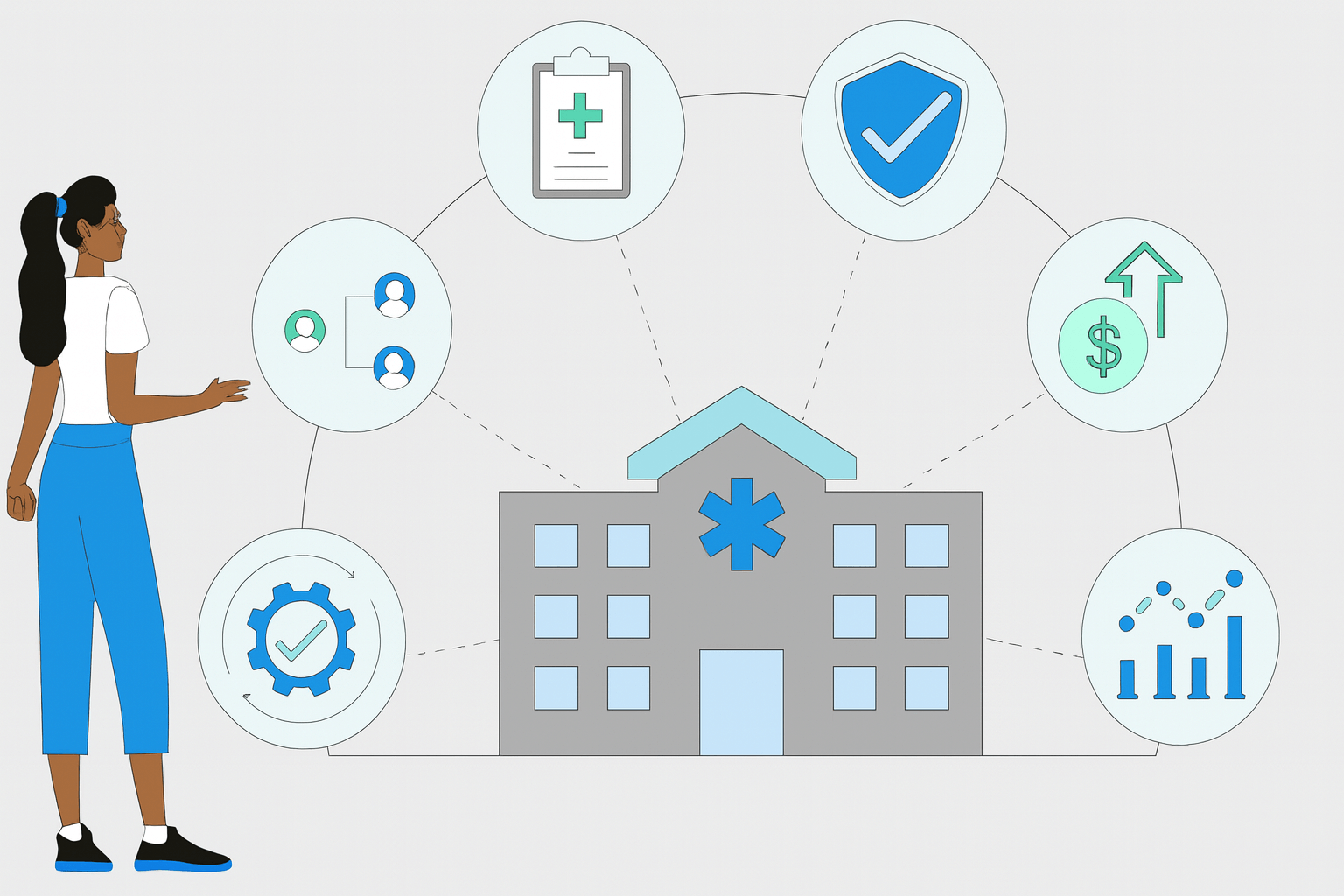
The strength of Utilization Management becomes clear in these situations. This service evaluates how resources flow across the care environment. It helps organizations manage schedules, prioritize tasks, and maintain clinical efficiency. When Utilization Management remains strong, teams avoid waste. They protect time. They support patients with greater accuracy.
Better resource allocation reduces pressure. Teams no longer scramble to manage sudden adjustments because they already follow structured processes. They respond with confidence because they understand how the system functions. This clarity reinforces the idea of stronger systems and calmer days because it removes unnecessary uncertainty.
Patients also benefit when resources remain balanced. They wait less. They receive care that aligns with their needs. Their journey feels more coordinated. When patients sense that the system supports them, they trust the experience more deeply.
Utilization Management improves communication as well. It encourages departments to work together. It allows teams to assess performance with clarity. It helps organizations make decisions that reflect actual demand. As a result, the system becomes healthier, more predictable, and more stable.
Calmer Days Supported Through Accounts Receivable Stability
Financial clarity supports emotional clarity. In healthcare, both matter because confusion creates stress that influences every part of the experience. When organizations maintain steady financial processes, teams perform with greater ease. They avoid confusion. They focus more energy on patients. This balance builds strong systems that support calm.

A major part of this stability develops through Accounts Receivable management. When receivables stay clean and accurate, organizations avoid revenue disruptions. They maintain predictable cash flow. Teams understand what is owed, what is pending, and what requires attention. This transparency reduces pressure and supports responsible planning.
Accounts Receivable also affects patient trust. When statements stay consistent, patients feel more secure. They experience fewer misunderstandings. They receive answers sooner. This smooth communication contributes to calmer days because both staff and patients navigate financial responsibilities with less uncertainty.
This service also helps organizations remain responsible during busy periods. When revenue management stays strong, leaders feel more confident making decisions. They plan resources wisely. They maintain smoother schedules. The entire system moves with steadier momentum.
Accounts Receivable strengthens coordination across departments. It encourages accurate record keeping. It reduces the need for repeated corrections. It supports stronger connections between clinical and financial teams. These internal improvements build a calm, reliable environment that patients notice.
Stronger Systems Supporting Better Care Stability
Healthcare becomes more stable when the systems behind it remain strong. Each process influences the next. When one area gains clarity, others benefit. This connection strengthens the entire organization. It helps teams remain calm during challenges and confident during routine work. Strong systems give people the security they need to perform at their best.
The idea of care stability surfaces in environments where structure guides actions. When teams know what to expect, they operate with confidence. They avoid hesitation. They communicate naturally. This stability improves the patient experience because patients feel supported at every stage.
Many healthcare groups partner with organizations like Care Agent BPO to reinforce this stability. These partnerships help teams manage high volume tasks without sacrificing quality. They strengthen operational processes. They protect workflow during demanding periods. When additional structure supports internal teams, the entire system becomes stronger.
Care stability influences long term outcomes as well. It encourages teams to refine their approach. It improves accountability. It builds trust across departments. This consistency leads to calmer days where people rely on dependable systems rather than unpredictable routines.
Strong systems also reduce emotional strain. When tasks align with clear expectations, teams experience fewer moments of frustration. They maintain better focus. They deliver better results. This emotional balance supports healthier workplaces and more confident care delivery.
Clear Momentum for Calmer Healthcare Days
Healthcare environments become calmer when clarity guides each moment. Strong systems protect teams from confusion. They prepare them for shifts in patient needs. They support smoother transitions. When structure remains dependable, both staff and patients feel more secure. They navigate each step with confidence instead of doubt.
Your organization can strengthen its environment by focusing on operational calm, patient flow, structured coordination, financial clarity, and stronger systems. These elements reduce stress. They encourage healthier communication. They support long term stability.
Begin building stronger systems that lead your teams and patients toward calmer, more confident days in healthcare.