
Integrated Support Structures for Modern Healthcare
Modern healthcare runs on a system that must stay strong even during constant change. Every part of the system works together, and this structure forms a backbone that supports patients, providers, and outcomes. Strength in this structure comes from dependable processes that allow teams to move with confidence. This strength must be present every day because patient needs shift quickly, and healthcare environments often evolve without warning. The system stays resilient when every link stays connected and every part moves with purpose.
Although healthcare leaders build strong teams, they still depend on support layers that keep clinical tasks steady. This is why growth begins with the right services, because these functions keep operations stable and allow clinical teams to focus on care. The impact becomes clear once support systems align with the needs of both patients and providers. These systems become essential in today’s healthcare landscape, and they bring consistency even during disruptions.
Yet the backbone of healthcare requires balance. It includes technology, operational oversight, and communication. It also depends on strong coordination across teams. When these elements come together, organizations remain prepared for rapid changes. The entire structure becomes stronger because support functions reduce strain on clinical roles. These functions boost efficiency and build smoother experiences from start to finish. Since reliable support helps create better patient journeys, many providers rely on partners like Care Agent BPO to maintain stability. This stability influences outcomes because teams gain more time for direct care while systems stay organized and predictable.
Enhanced Oversight Through Remote Patient Monitoring
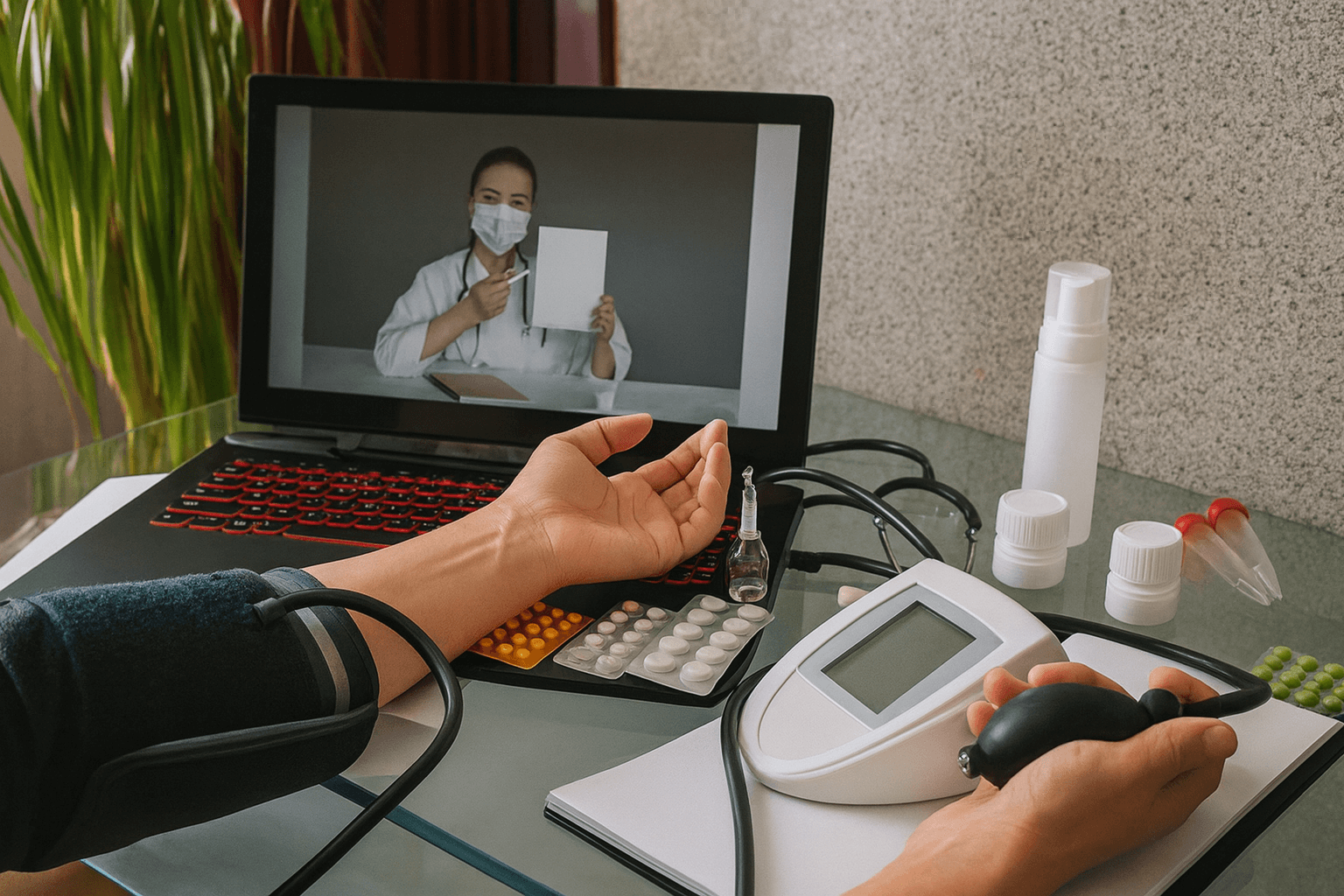
Stronger healthcare systems require stronger visibility, and this begins with close oversight of patient needs. Remote Patient Monitoring introduces ongoing observation that supports both patients and providers. This oversight does not replace clinical visits. Instead, it brings earlier awareness, faster responses, and smoother communication. As patient conditions shift, earlier alerts help teams act sooner. Since timing is crucial in modern care, the ability to monitor patients around the clock strengthens safety and comfort.
Furthermore, Remote Patient Monitoring supports long-term stability. Many patients benefit from guidance between visits because care does not end once they leave the clinic. Consistent tracking helps organizations remain aligned with each patient’s needs. Although this approach uses advanced technology, it still improves the human experience because it promotes contact, reassurance, and continuity. Patients feel seen, and providers stay informed.
This level of oversight makes the backbone of healthcare more resilient. When monitoring reduces gaps in communication, the entire journey improves. Additionally, earlier insights help reduce avoidable complications. This helps organizations conserve resources, which contributes to stronger operational foundations. Because the system gains better flow, clinical teams can spend more time focused on meaningful interactions, which strengthens the patient relationship even further.
Financial Stability Through Modern Medical Billing

The backbone of healthcare also depends on stability across financial operations. Although the care experience matters most, no system remains strong without organized financial flow. This is why Medical Billing ensures that healthcare teams work within predictable cycles. When billing remains clear and consistent, organizations stay focused on care rather than administrative strain. Clarity also improves communication because teams always know where key processes stand.
Moreover, billing issues often weaken the healthcare structure when left unmanaged. Delays create stress for both patients and providers, and unclear processes lead to confusion. Therefore, modern billing structures must be accurate and timely because they influence satisfaction at every level. When processes stay organized, patients feel reassured and teams remain confident in their workflow.
Additionally, smooth billing supports long-term financial health. It sustains resources, strengthens operations, and removes unnecessary burdens from clinical staff. Organizations gain freedom to invest in technology, staffing, and improved patient programs. Together, these improvements reinforce the backbone of healthcare because financial stability strengthens every part of the system.
Operational Balance Through Utilization Management

Modern healthcare becomes more resilient when organizations balance resources with patient needs. Utilization Management creates this balance because it ensures that services stay aligned with appropriate care pathways. As needs change, this function evaluates requests and supports the most effective route forward. Because healthcare resources must remain available for the right patients at the right moment, this balance becomes essential.
Furthermore, Utilization Management promotes fairness, accuracy, and clarity. It allows teams to use resources wisely while still supporting high-quality outcomes. This alignment improves patient experience because decisions remain transparent and efficient. When patients understand why certain routes are chosen, trust increases, and communication becomes stronger.
Additionally, operational balance allows healthcare teams to plan with confidence. When processes stay controlled, organizations avoid delays, misalignment, and waste. Since stronger balance reduces strain on both systems and staff, the backbone grows stronger. The result is a smoother environment where every part of the journey feels coordinated. Because care requires structure, Utilization Management becomes a vital link in keeping operations steady.
Clear Path Forward for Lasting Healthcare Strength
As healthcare continues to evolve, strong systems help protect outcomes. The backbone of care grows stronger when oversight, financial flow, and balanced operations work together. Since each part influences patient experience, consistent support helps build trust across every touchpoint. This trust encourages better communication and smoother decisions. Although challenges may appear, strong systems remain stable because each layer reinforces the next. Therefore, the future of healthcare depends on the strength of its structures and the clarity of its processes. With stronger support, the journey becomes easier for both patients and providers.
Healthcare teams grow stronger when they receive the support they deserve. If you want solutions that stabilize workflows and elevate patient experience, our team is ready to help. Reach out today to explore how these powerful systems can guide your organization toward smoother, stronger, and more connected healthcare delivery.