
Right on time support often defines the difference between confusion and comfort in healthcare. When teams understand what patients need at the exact moment they need it, the entire care journey changes. People feel safer. They feel guided. They feel heard. This sense of presence creates trust and strengthens the way organizations deliver care every day. Help that arrives right when it matters builds stronger systems and meaningful connections. It also shapes smoother coordination across teams who want to provide steady clarity for the communities they serve.
Today, many organizations work to improve how they manage patient moments. They adjust their processes. They refine communication. They strengthen systems so every response feels grounded and timely. As these improvements appear, the idea of delivering support right on time becomes more than a goal. It becomes a culture that influences every part of the care experience. Patients notice it. Teams rely on it. Leaders protect it. This mindset shapes the foundation of healthcare environments that move with intention and focus.
Right on time support also creates balance behind the scenes. It allows clinical and administrative teams to work with less stress and more certainty. When the right tools and structures guide their actions, they work with smoother transitions. They avoid unnecessary delays. They respond with steady confidence. These internal benefits eventually reflect in the patient experience because people feel the stability behind every touchpoint. When both sides benefit, healthcare becomes more connected and more human.
Stronger Clarity for Situations Needing Tele Triage

Clarity shapes the first step in timely care. When patients face uncertainty, they need guidance that arrives quickly. They look for someone who understands their concern. They need direction without long delays. This is where the idea of right on time support becomes essential. Clear steps help patients decide what to do next. They also help teams move with confidence because they understand the urgency behind each request.
Healthcare organizations often rely on Tele Triage to create this clarity. It gives patients immediate access to trained professionals who can evaluate symptoms, determine urgency, and guide them through the safest action. Because Tele Triage provides a structured approach, patients do not feel lost. They receive support that keeps them calm. They understand what the next move should be. This immediate access protects patients and supports clinical decision making.
For teams, Tele Triage reduces overwhelming workloads. It filters concerns with accuracy. It sends the right cases to the right people. It helps clinicians prioritize tasks while avoiding unnecessary stress. This balance improves operational flow because everyone understands where attention should go. As a result, healthcare environments remain more stable even during heavy periods.
Through timely clinical decisions, Tele Triage strengthens trust. It ensures patients feel valued from the very first moment. It also ensures teams can begin care with the right information rather than chaotic situations. With clarity in place, every step that follows becomes more focused and predictable.
Reliable Structure Through Steady Support Services
Support holds healthcare together. When teams know their environment is structured, they work without fear of delays or misunderstandings. They move through tasks with a sense of direction. They communicate more effectively. This reliability becomes another form of right on time help because teams rely on systems that support them at critical moments.
Organizations benefit when the foundation of care remains consistent. This is where Support Services strengthen the environment. These services provide dependable administrative and clinical assistance that keeps operations aligned. Scheduling, coordination, documentation, and communication stay organized. When teams experience this kind of stability, they deliver care with greater confidence.
Support Services also create space for teams to focus on patient needs rather than repetitive tasks. Because the structure behind them remains dependable, they stay calm even when demands increase. As a result, their responses remain thoughtful. They guide patients with patient focus rather than rushed decisions. This calm presence becomes a form of right on time support because it shapes how teams interact during complex situations.
Patients also benefit from reliable structure. They feel reassured when their questions receive timely answers. They feel respected when their concerns receive attention without confusion. They feel safer navigating the system because the environment works smoothly around them. As this consistency becomes part of the care experience, trust grows naturally.
Human Connection Anchoring Patient Experience
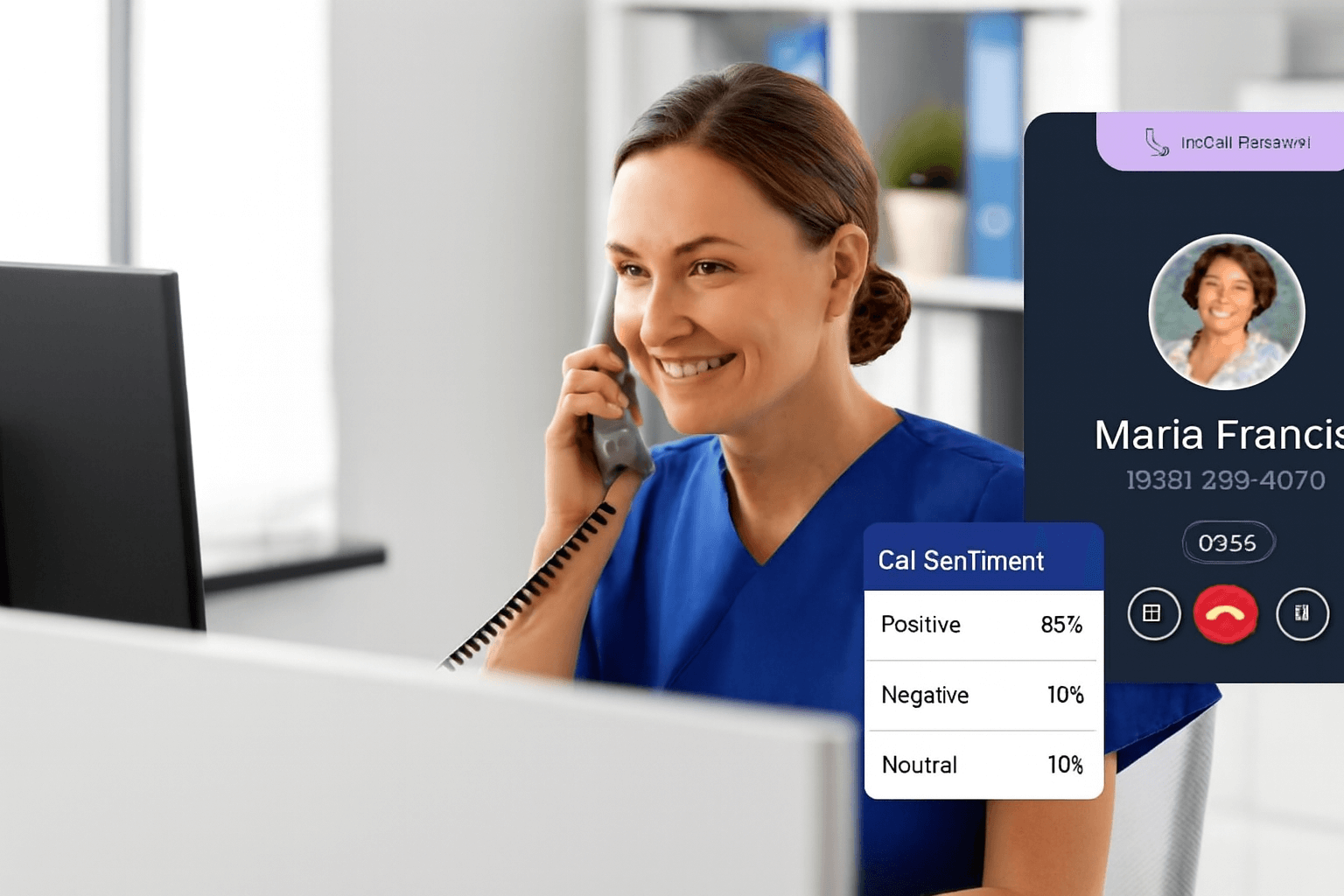
Human connection forms the deepest part of healthcare. Patients look for empathy and understanding. They want reassurance from real people who guide them through uncertain moments. When teams meet patients with patience and consistency, the entire experience gains warmth. This connection becomes a form of timely support because emotional care often matters as much as clinical care.
The strength of Patient Experience becomes clear in these moments. This service shapes how patients feel from start to finish. It influences communication. It strengthens the tone. It helps patients move through their journey with confidence rather than fear. When Patient Experience becomes a priority, every interaction feels meaningful.
Organizations that invest in this area often see better outcomes. Patients participate more actively in their care. They shared concerns earlier. They follow instructions more reliably because they trust the people guiding them. This level of engagement supports safety and enhances the overall flow of care.
Behind the scenes, Patient Experience also helps teams stay consistent. It reminds them of the importance of empathy and communication. It encourages a calmer, steadier rhythm in how they respond. This influence shapes a healthier environment where both patients and professionals feel more connected.
Many organizations work with groups like Care Agent BPO to strengthen these areas. This support helps teams deliver reliable service while maintaining their focus on patient well-being. When outside partners reinforce quality, internal teams gain even more capacity to deliver care that feels timely and human.
Clear Momentum Through Reliable Healthcare Coordination
Timely support becomes possible when momentum stays clear. Healthcare systems depend on coordination that moves steadily across teams. When workflows remain consistent, people know what to expect. They adapt quickly. They follow steps without confusion. This coordination supports patients and professionals during busy days.

The idea of operational flow becomes vital in this context. It helps organizations manage tasks responsibly. It ensures communication stays clean. It keeps everyone aligned. As a result, care becomes more predictable and more manageable. When momentum stays clear, right on time support becomes part of everyday operations rather than a rare achievement.
Coordination also strengthens trust among departments. When people understand how their role influences others, they communicate more effectively. They deliver updates sooner. They reduce errors and misunderstandings. This teamwork strengthens patient trust because patients sense the unity behind the care they receive.
Steady coordination becomes easier when organizations commit to structure. This structure gives teams confidence because it supports them at the exact moment they need it. As the environment becomes more dependable, patients feel more secure navigating their journey.
Clear Direction for Right on Time Support
Right on time help grows from clarity, teamwork, and meaningful structure. Healthcare organizations build stronger relationships when they meet patients with steady guidance. They create calmer moments for teams when every step remains predictable. They form healthier care environments when timely support becomes part of their identity.
Your organization can strengthen timely care by focusing on timely care, clinical clarity, healthcare coordination, patient trust, and care support. These ideas protect patient experiences and empower your teams.
Start building right on time to help strengthen both your patients and your people.