
Connected Care Coordination in Modern Healthcare Environments
Care coordination between providers and patients continues to shape how healthcare systems deliver consistent and reliable support. As care becomes more complex, communication must remain clear across every touchpoint. Therefore coordination now extends beyond clinical settings into daily patient interactions.
Care Agent BPO supports this shift by providing healthcare focused services that connect providers, patients and care teams. These services help reduce gaps in communication while improving continuity. As a result patients experience smoother transitions between appointments, treatments and follow ups.
Coordination works best when information flows without delay. Patients need timely updates. Providers need accurate context. When both sides stay informed, outcomes improve. That alignment strengthens trust and engagement.
Modern healthcare depends on operational support outside the exam room. Scheduling intake outreach and follow up all play key roles. Because these functions happen daily, consistency matters. Strong coordination ensures nothing slips through the cracks.
Communication also supports compliance. Patients who understand next steps follow care plans more closely. Therefore outreach and education become essential. Care coordination helps reinforce instructions and clarify concerns.
Technology supports this process but people still matter. Conversations build understanding. Human support adds reassurance. When patients feel heard they stay engaged.
Healthcare continues to evolve quickly. However the need for coordinated support remains constant. Providers need reliable partners who understand healthcare operations and patient expectations.
Care Agent BPO bridges these needs through structured support models. These models align communication workflows with patient journeys. That alignment allows providers to focus on care while support teams manage connection.
Ultimately care coordination between providers and patients strengthens outcomes while improving efficiency. It creates a system where communication supports care rather than complicates it.
Clinical Triage Support and Early Patient Guidance Channels

Effective coordination begins with early patient contact. Tele Triage plays a critical role in guiding patients to appropriate care paths. Through structured conversations trained teams help assess urgency while offering clear next steps.
This approach reduces confusion and delays. Patients receive direction without waiting. Providers gain early insight into patient needs. As a result care delivery becomes more efficient.
Triage support also reduces unnecessary visits. Patients avoid emergency care when alternatives exist. That efficiency benefits both providers and healthcare systems.
Clear communication remains central. Patients explain symptoms. Support teams listen carefully. Guidance follows established protocols. Therefore decisions remain consistent and reliable.
Care coordination benefits when triage integrates with broader support systems. Information flows to care teams quickly. Providers stay informed. Patients feel supported.
This service also enhances access. Patients reach help outside traditional hours. Support remains available when offices close. That availability improves continuity.
When patients receive early guidance they feel confident. Anxiety decreases. Engagement improves. These outcomes support stronger patient experience across the care journey.
Tele Triage strengthens coordination by connecting concerns to care pathways efficiently. It ensures patients reach the right level of care at the right time.
Sleep Therapy Continuity Through Automated Equipment Support
Chronic care requires consistent follow up. CPAP Re-order Automation supports patients managing sleep therapy by ensuring ongoing access to necessary equipment. Coordination here prevents treatment gaps.
Patients often struggle with reordering supplies. Missed refills disrupt therapy. Automated support solves this issue through reminders and streamlined processes.
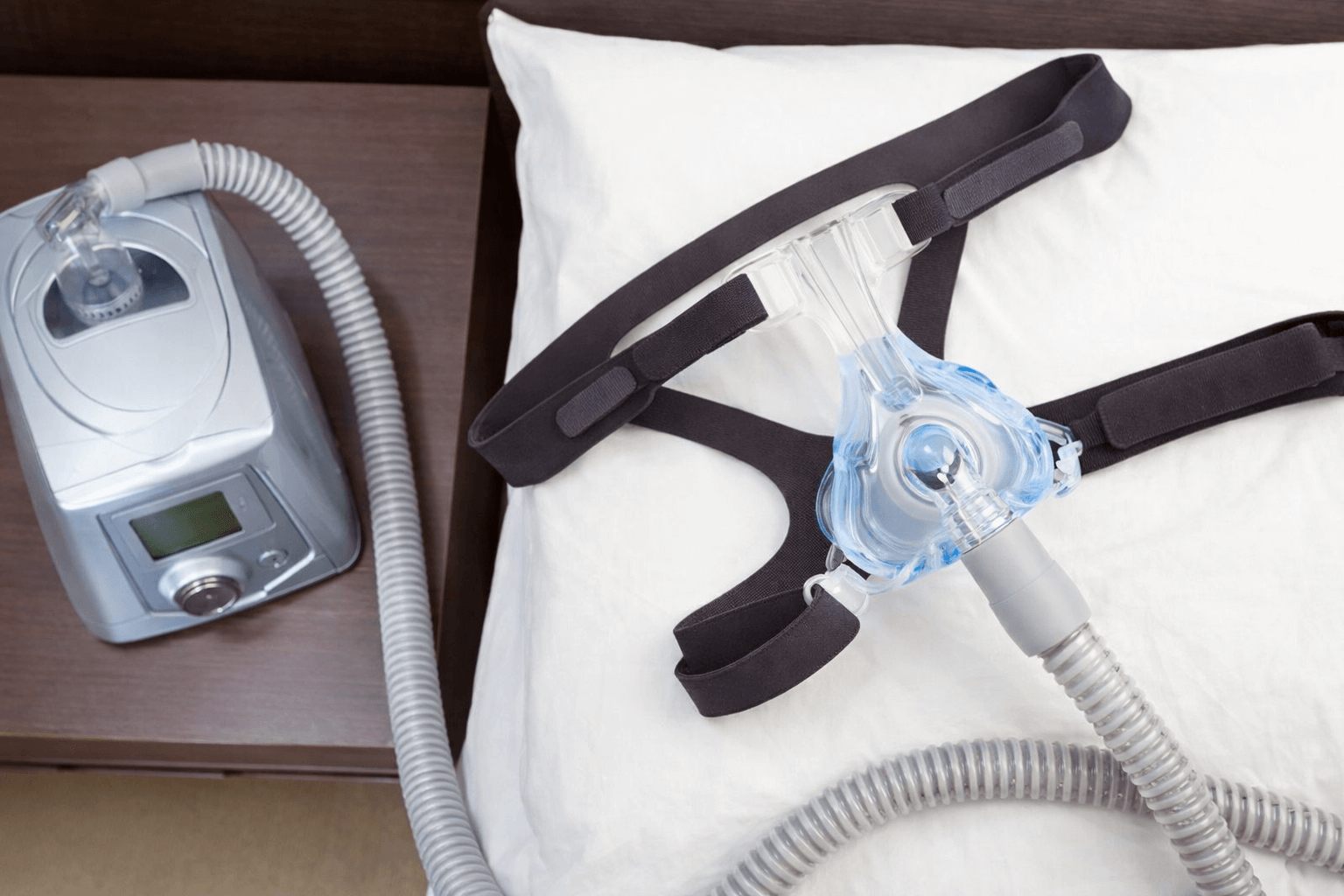
DME supplies remain essential for therapy success. When patients receive replacements on time adherence improves. Better adherence leads to better outcomes.
Coordination between providers, suppliers and patients becomes critical. Automated workflows reduce manual effort while maintaining oversight. Patients stay informed throughout the process.
This approach also reduces administrative burden. Providers avoid repeated follow up calls. Support teams handle coordination efficiently.
Clear communication remains vital. Patients understand schedules and expectations. Questions receive prompt answers. Trust builds through reliability.
By maintaining continuity CPAP support enhances long term care management. Patients remain engaged. Providers see improved adherence.
This service reflects how coordination extends beyond appointments. It supports daily health routines. That support strengthens outcomes.
Patient Centered Engagement Across Healthcare Touchpoints

Strong Patient Experience depends on clear and compassionate communication. Coordination ensures patients feel supported across every interaction. From intake to follow up consistency matters.
Support teams answer questions, clarify instructions and provide reassurance. Patients feel guided rather than overwhelmed. That confidence improves engagement.
Coordination also supports claims communication. Patients understand coverage and next steps. Transparency reduces frustration.
Healthcare interactions often feel complex. However coordinated support simplifies the journey. Patients know where to turn.
This approach reflects best practices seen across leading healthcare organizations. Human centered communication builds loyalty and trust.
A Reliable Partner for Coordinated Care Communication Support
Healthcare coordination succeeds when systems work together. Support teams communication tools and workflows must align. That alignment strengthens outcomes.
Care Agent BPO provides structured healthcare support through a Medical call Center model designed for scalability. These teams understand health care call center standards and compliance.
Support integrates with Healthcare Operations to ensure accuracy and consistency. Patients receive reliable information. Providers gain dependable support.
Coordination also supports long term relationships. Consistent communication builds trust over time.
If your organization seeks stronger care coordination between providers and patients now is the moment to connect.
Reach out to explore tailored support solutions that align with your care delivery goals.