
Unified Pathways for Meaningful Healthcare Connections
Healthcare works best when patients and providers remain closely connected. This connection forms an essential bridge that supports trust, comfort, and confidence. As care environments grow more complex, the need for smooth communication becomes even more important. Because patients rely on clarity to feel supported, healthcare teams must create spaces where guidance flows without confusion. When these pathways remain steady, the entire system becomes stronger.
However, this structure does not build itself. The bridge between patients and providers forms through careful planning, thoughtful support, and dependable systems. These systems work behind the scenes to keep communication open and organized. Although clinical care is the center of healthcare, support functions shape much of the patient experience. When these functions remain aligned, patients feel heard, and providers remain informed.
Support functions also help providers focus on care rather than administrative strain. As teams gain more time and control, they respond faster and communicate with greater clarity. Although each function serves a different purpose, all contribute to something greater. They reinforce the bridge that links individuals seeking care with those delivering it. Because healthcare depends on connection, support functions help guide patients through each step of their journey.
This process grows even stronger with partners who understand the needs of modern healthcare. Organizations like Care Agent BPO provide support structures that strengthen communication and coordination. These structures boost efficiency, reduce strain, and improve the experience on both sides. Since better support leads to better connection, the impact becomes clear across every interaction.
Improved Access Through Tele Triage
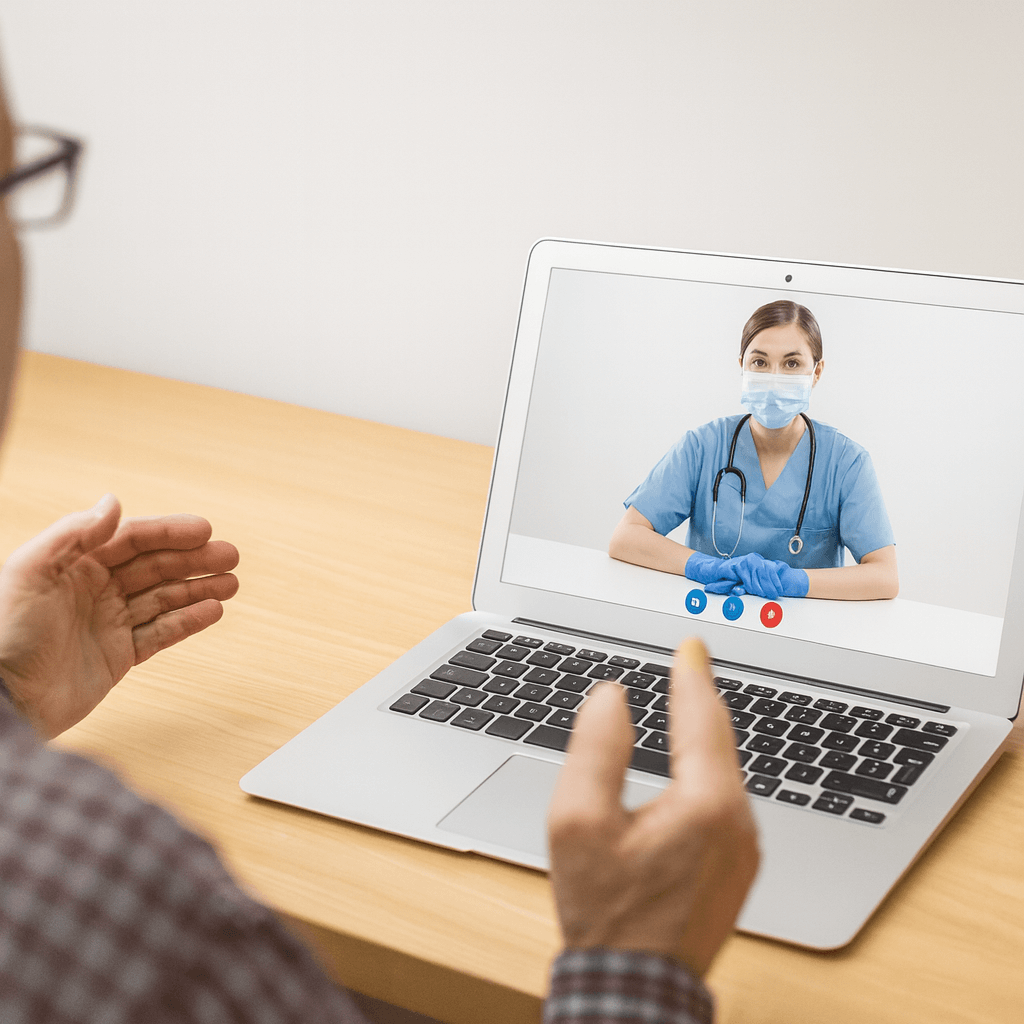
A reliable healthcare bridge begins with easy access. Tele Triage supports this by guiding patients toward the right level of care from the start. Instead of navigating confusing pathways alone, patients receive help before they take the wrong step. This reduces uncertainty and builds trust early. Because first impressions shape the entire care experience, early guidance becomes essential.
Tele Triage also reduces unnecessary delays. When questions arise, patients want answers fast. Tele Triage teams evaluate symptoms, ask questions, and provide direction. This improves flow because patients reach the right place at the right moment. When access becomes simpler, the entire journey becomes less stressful.
Furthermore, Tele Triage strengthens provider efficiency. Since unnecessary visits decrease, clinical teams gain more time for essential cases. This leads to better outcomes because attention remains focused where it matters most. With clearer routes and smoother intake, the connection between patients and providers feels stronger and more dependable.
This process shapes a more responsive healthcare system. Because Tele Triage offers guidance at critical moments, patients gain confidence and providers gain clarity. Together, these benefits reinforce a stronger and more connected path to care.
Meaningful Care Journeys Through Patient Experience

A strong bridge between patients and providers must also support emotional and informational needs. Patient Experience plays this key role because it shapes how individuals feel throughout their journey. When systems listen, guide, and support, patients gain comfort and confidence. This comfort encourages them to share more openly, which leads to clearer communication.
Additionally, Patient Experience ensures that every interaction feels intentional. From scheduling to follow-up, each step matters. When processes stay organized, patients feel valued. As a result, satisfaction improves and frustration decreases. Although healthcare can feel overwhelming, strong experience strategies reduce confusion and make the journey feel more human.
Moreover, Patient Experience supports providers by keeping communication clear. When information flows steadily, teams work with greater understanding. This reduces misunderstandings and prevents unnecessary delays. With better communication, the bridge between patients and providers becomes stable and predictable.
This function also helps organizations identify gaps. When feedback reveals challenges, improvements can begin. These changes strengthen trust because patients feel heard. Over time, organizations create a culture where every voice matters and every moment counts. Because care depends on shared understanding, Patient Experience remains an essential support in building a stronger healthcare bridge.
Smoother Processes Through Claims and Denial Management

Healthcare connections grow weaker when financial confusion enters the journey. This is why Claims and Denial Management supports the bridge by keeping processes clear. When claims move smoothly, patients avoid delays and misunderstandings. This clarity improves trust because uncertainty decreases.
Additionally, Claims and Denial Management reduces frustration for both sides. Patients often struggle to understand insurance details, while providers face administrative pressure. With clear processes, teams work more efficiently. They prevent costly errors and reduce stress for everyone involved.
This function also supports long-term organizational strength. When denials decrease, financial stability improves. This stability allows providers to focus more on care. Over time, stronger financial systems support stronger patient relationships. Although claims may seem administrative, their impact reaches far beyond paperwork.
When communication about claims becomes consistent, patients feel informed. Providers also gain confidence because they can plan without unexpected interruptions. This harmony strengthens the entire care journey. With smoother financial processes, the bridge between patients and providers remains steady.
Aligned Systems for Better Healthcare Connections
In modern healthcare, connection guides everything. Patients want reassurance, and providers want clarity. When systems align, both sides gain what they need. Tele Triage offers early guidance. Patient Experience supports clear communication. Claims and Denial Management brings financial stability. Although each function stands alone, together they form a unified structure that supports trust.
Additionally, aligned systems build a future-ready organization. Healthcare changes quickly, and strong connections protect outcomes even during disruptions. When communication stays open and processes stay organized, care becomes more predictable. This reliability gives patients confidence and helps providers focus on meaningful interactions.
The bridge between patients and providers becomes stronger when every part of the system supports the next. Through thoughtful planning, stable processes, and dependable communication, healthcare teams create safer, clearer, and more welcoming experiences.
If your healthcare team needs support that strengthens communication and improves the patient journey, our team is ready to help. Reach out today to explore solutions that create smoother systems and stronger connections throughout every stage of care.