
Reliable Clinical Access Beyond Traditional Care Hours
Healthcare does not stop at the end of the workday. Symptoms change. Questions arise. Concerns escalate without warning. After hours clinical support plays a critical role in maintaining continuity when providers are unavailable. Without access, patients delay care or seek inappropriate options. With access, guidance remains steady and informed.
Care Agent BPO delivers healthcare services that extend support beyond standard schedules. After hours communication should feel dependable, not rushed. Patients need reassurance that qualified assistance remains available when timing feels uncertain. Therefore, support models must balance speed, accuracy, and empathy.
Access outside office hours reduces emergency overuse. Patients receive direction before situations escalate. This guidance protects both outcomes and resources. Clear communication supports confidence during vulnerable moments.
After hours support also strengthens trust. Patients remember availability. Consistency builds reliability. When support remains present, engagement improves.
Clinical teams benefit as well. Clear after hours handling reduces backlog. Daytime teams receive better prepared follow-ups. As a result, operations feel smoother.
Reliable access outside traditional hours supports modern care expectations. It reflects commitment, continuity, and responsibility across the entire care experience.
Clinical Decision Support Through Structured Tele Triage Models
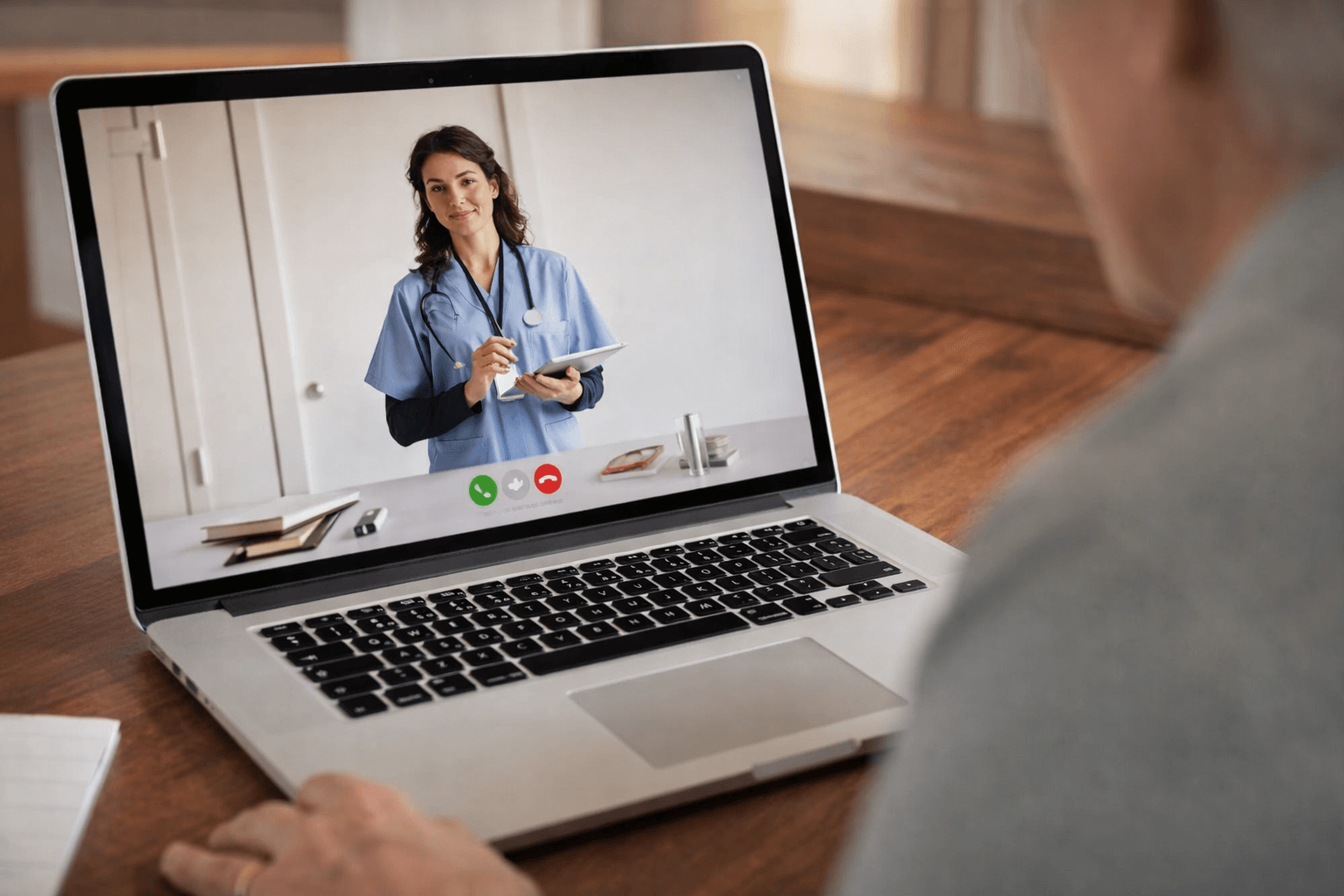
Tele Triage plays a vital role in after hours care. Patients describe symptoms. Trained professionals assess urgency. Appropriate next steps follow. This structure prevents guesswork and reduces unnecessary escalation.
Effective triage depends on clarity. Questions must feel purposeful. Guidance must remain calm. When structure exists, patients feel reassured rather than alarmed.
Tele triage reduces emergency visits. It directs patients to the right level of care. This efficiency benefits both patients and providers. Outcomes improve when decisions feel informed.
After hours triage also supports continuity. Information flows to daytime teams. Context remains intact. Follow-ups feel informed instead of reactive.
Care Agent BPO supports triage models designed for consistency. Protocols guide assessment. Human judgment ensures empathy. This balance protects quality.
Tele triage works best when patients trust the process. Clear explanations build that trust. Confidence grows when support feels knowledgeable and accessible.
Structured triage models strengthen after hours care by replacing uncertainty with informed direction.
Guided Clinical Communication Through Tele Advice Services
Tele Advice extends clinical guidance beyond physical locations. Patients receive direction on symptoms, medications, and next steps. This guidance prevents confusion and promotes safe decision making.
Advice services require clarity and consistency. Information must align with clinical standards. Tone must remain supportive. When communication feels steady, patients follow recommendations more confidently.
After hours advice reduces unnecessary visits. It also prevents delays in care. Patients understand when to monitor and when to escalate.
Clear documentation supports continuity. Advice shared after hours informs daytime teams. This coordination improves follow-up quality.
Care Agent BPO supports advice models that balance efficiency with empathy. Structured guidance protects accuracy. Human interaction preserves reassurance.
Tele advice strengthens patient confidence. It ensures patients never feel alone when questions arise outside normal schedules.
Coordinated Support Services That Maintain Continuity Overnight

Support Services form the backbone of after hours clinical care. Scheduling updates, care coordination, and follow-up preparation all depend on reliable support.
After hours support ensures nothing falls through the cracks. Messages route correctly. Concerns are logged. Updates remain visible. This organization protects continuity.
Support services also reduce daytime burden. Teams begin the day informed rather than overwhelmed. This efficiency improves operations.
Patients benefit from responsiveness. Knowing support exists overnight provides reassurance. Trust strengthens through availability.
Care Agent BPO structures support services to integrate seamlessly with clinical workflows. Coordination remains consistent. Communication stays clear.
Reliable support services transform after hours care from reactive to intentional.
A Sustainable Model For Continuous And Accessible Clinical Care
After hours clinical support reflects the evolving reality of modern healthcare. Patients no longer separate care needs by office hours. Questions arise at night. Symptoms change unexpectedly. Access during these moments shapes confidence and outcomes. Systems must adapt to meet this expectation without sacrificing quality or control.

Organizations that invest in well-structured after hours models see clear benefits. Patient satisfaction improves because support remains available when it is most needed. Anxiety decreases as guidance feels consistent and reliable. At the same time, providers experience better continuity. Daytime teams receive clearer handoffs and more complete information. Efficiency improves without adding unnecessary strain.
Continuity beyond traditional schedules requires intention. Support models should feel organized, not reactive. Communication should follow defined paths. When after hours care remains structured, trust stays intact and care quality remains protected.
If your care strategy prioritizes access and continuity, thoughtful after hours support becomes essential. Evaluating how current systems perform outside standard hours can reveal gaps and opportunities. Reaching out to explore more sustainable clinical support models can help organizations strengthen care delivery, protect relationships, and ensure patients feel supported whenever guidance is needed.