
Quiet Confidence Within Patient First Care Environments
The idea behind The Ease Patients Remember and Staff Appreciate shapes how modern care environments evolve. People often recall the comfort they felt in moments where systems worked in their favor, even when challenges were present. Although healthcare remains complex, ease can still exist when communication, structure, and support flow naturally. This sense of ease influences patient trust. It also influences how staff measure workload, pressure, and satisfaction. Therefore, the way care delivery feels matters as much as the outcome itself.
Modern patients expect clarity. They want straightforward processes and simple pathways to reach information. When health systems deliver smooth experiences, interaction becomes less stressful. Because the first touch shapes the overall impression, ease becomes a core value in every step. Staff feel this effect as well. Clearer systems reduce unnecessary strain. They help teams focus on people rather than administrative obstacles.
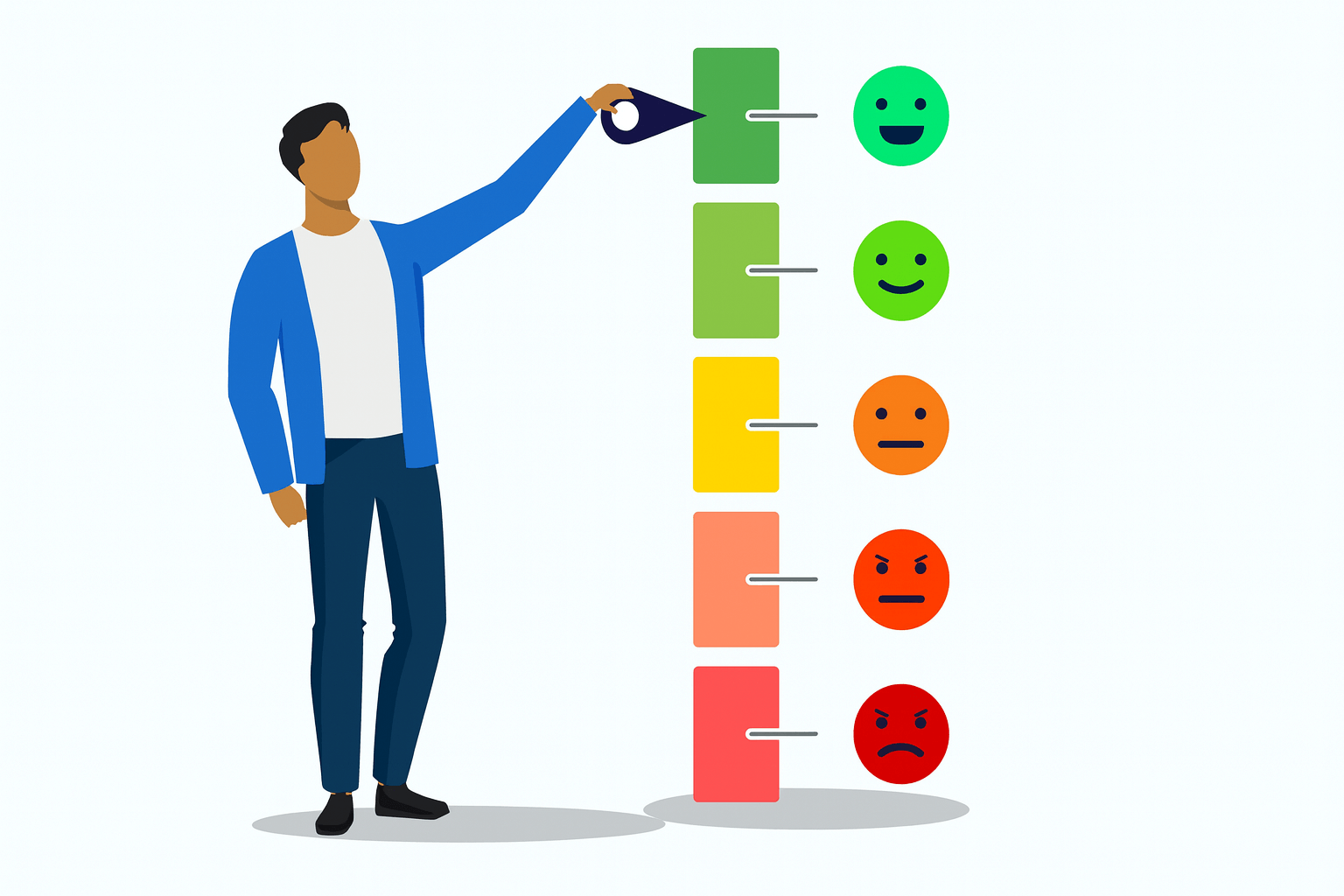
Additionally, patient journey flow improves when digital and human support align. Administrative processes feel lighter. Communication becomes more predictable. Although the work remains detailed, ease reduces weight. It replaces pressure with calm direction. This dynamic reinforces patient trust and staff stability. Strong foundations like Patient Experience services contribute to this shared comfort by creating smoother interactions during each phase of care.
As the industry moves toward more adaptive environments, ease continues to stand out as a marker of quality. Patients may not articulate it directly, yet they feel it during their conversations, registrations, follow-ups, and instructions. Staff also appreciate clear systems that reduce uncertainty. When care feels easier to navigate, the entire environment lifts.
Where Does Ease Begin in Busy Healthcare Settings?
Although every care journey looks different, most forms of ease begin with communication. The Ease Patients Remember and Staff Appreciate highlights how important the first interaction becomes. Even before clinical work begins, patients encounter directions, instructions, and support explanations. When these touchpoints remain organized and calm, stress decreases. Because early clarity sets the tone, it influences the entire pathway ahead.
Modern care environments depend on reliable coordination. Smoother coordination begins with clean workflows and consistent messaging. This structure helps patients understand what to expect. It also helps staff manage duties without disruption. Teams often rely on strong Support Services to maintain this structure. These services improve internal communication and sustain predictable movement across tasks. When support functions run smoothly, clinical teams feel less pressure and can focus on deeper patient needs.
Ease also forms when workloads feel balanced. Care demands shift constantly, yet strong operations help stabilize these pressures. When staff feel supported through organized pathways, their conversations become calmer. Their tone improves, and their guidance becomes more focused. Patients notice this. They feel a sense of order even when their situations feel uncertain.
Procedures that once felt heavy now feel manageable. Instructions that once seemed complicated now feel clear. Because ease reduces emotional friction, it also increases patient willingness to engage. Staff respond with greater confidence, which improves care delivery. The cycle becomes mutually reinforcing.
Clear Structure Surrounding Care Coordination and Workflows
Healthcare settings depend on strong coordination, and ease often emerges from stable structure. The Ease Patients Remember and Staff Appreciate becomes visible when scheduling, communication, and navigation feel unified. Patients value environments where the next step makes sense, and where support feels accessible. Staff value the same structure because it removes unnecessary guessing. When both sides feel aligned, the entire flow improves.
Operational clarity remains essential, especially in environments that process heavy documentation. Systems like Claims and Denial Management help maintain this clarity by managing complex records with accuracy. These systems prevent confusion and lower administrative burdens. Staff spend less time resolving issues, and patients benefit from faster, cleaner updates. Although the task itself is detailed, the experience feels smoother because the process becomes more predictable.
Additionally, ease extends into communication frameworks. When staff deliver a unified message across departments, patients trust the information. They feel secure knowing that guidance remains stable, even when multiple teams participate in their care. Effective coordination also keeps wait times controlled and reduces unnecessary return calls.
Furthermore, structured processes help staff perform with clarity. When teams know where information is located and how tasks connect, they move more efficiently. This flow improves the emotional environment. Patients feel supported. Staff feel less overwhelmed. Coordinated systems protect time, pace, and attention.
Clear structure becomes a shared benefit. Patients recognize the ease through consistent updates and straightforward instructions. Staff recognize it through lighter workloads and fewer avoidable hurdles. This alignment strengthens the foundation of care.
Does Ease Improve Outcomes for Both Patients and Staff?
Yes. The Ease Patients Remember and Staff Appreciate improves outcomes for both sides by reducing barriers and enhancing communication. Patients report better satisfaction when their interactions feel respectful, steady, and predictable. Staff report better experiences when they can perform their duties without unnecessary interruption. Therefore, ease becomes more than a pleasant detail. It becomes a measurable advantage in daily care delivery.

Many care organizations strengthen ease through specialized support systems. Services such as Revenue Cycle Management reinforce accuracy, which reduces stress for both staff and patients. Accurate financial communication prevents confusion and lowers follow-up volume. Because fewer issues arise, workloads remain manageable, and patients feel better informed.
Ease also influences how people perceive care. When patients sense compassionate guidance, they respond more openly. They follow instructions more closely. They share details more freely. Clean communication supports better healing experiences, and staff benefit from smoother interactions.
Additionally, modern expectations push healthcare toward more efficient systems. Many providers now integrate strong Medical call Center support to manage high-volume inquiries with clarity and empathy. These systems filter concerns, direct calls appropriately, and maintain consistent communication. Patients appreciate the speed and dependability. Staff appreciate the controlled flow and reduced interruptions.
Ease also shapes emotional stability. When the environment feels structured, staff experience fewer moments of burnout. They perform with greater confidence, and patients respond with greater trust. Both sides experience care in a steadier, healthier way.
Guiding Frames for Better Care Comfort and Patient Trust
Sustaining ease requires strong systems, thoughtful support, and clear direction. The Ease Patients Remember and Staff Appreciate continues to define the future of healthcare interactions because comfort influences trust. When patients feel guided with clarity, their entire journey shifts. They remember the calm tone, the supportive instructions, and the steady structure. Staff remember stable workflows, predictable patterns, and tools that help them perform with confidence.

Many providers strengthen this comfort by improving call center healthcare operations and clarifying internal pathways. Smooth coordination contributes to better Healthcare Operations, which reduces pressure for staff. This improvement raises the quality of communication. Patients feel this improvement within every interaction.
Ease also increases when teams integrate strong Medical Support Services that simplify daily tasks. These services remove barriers, organize information, and support steady care delivery. Staff appreciate the reduced load. Patients appreciate the smoother guidance. Both benefit from a more humane pace.
Additionally, modern systems encourage environments that reflect the goals of Modern Healthcare, where technology and compassionate support work in harmony. This balance produces pathways that feel simple and supportive. It makes information easier to understand and experiences easier to navigate. Patients sense the difference immediately.
Even small updates to workflow improve how Healthcare organizations communicate. When information stays consistent, calls reduce, confusion decreases, and staff can assist with clarity. Simple interactions become meaningful. Complex interactions become manageable. Each exchange supports deeper trust.
Ease also influences financial clarity. When patients receive correct Claims information, they feel supported and respected. Staff feel relieved knowing the system works. This relief strengthens the overall atmosphere of care.
Ease becomes the lasting impression that patients carry and the structure that staff rely on.
If you’re ready to create a care environment built on trust, calm structure, and meaningful support, let’s shape the ease patients remember and the stability your staff deserves, starting today with systems designed for better care flow.