
Digital Health Connection in Modern Care
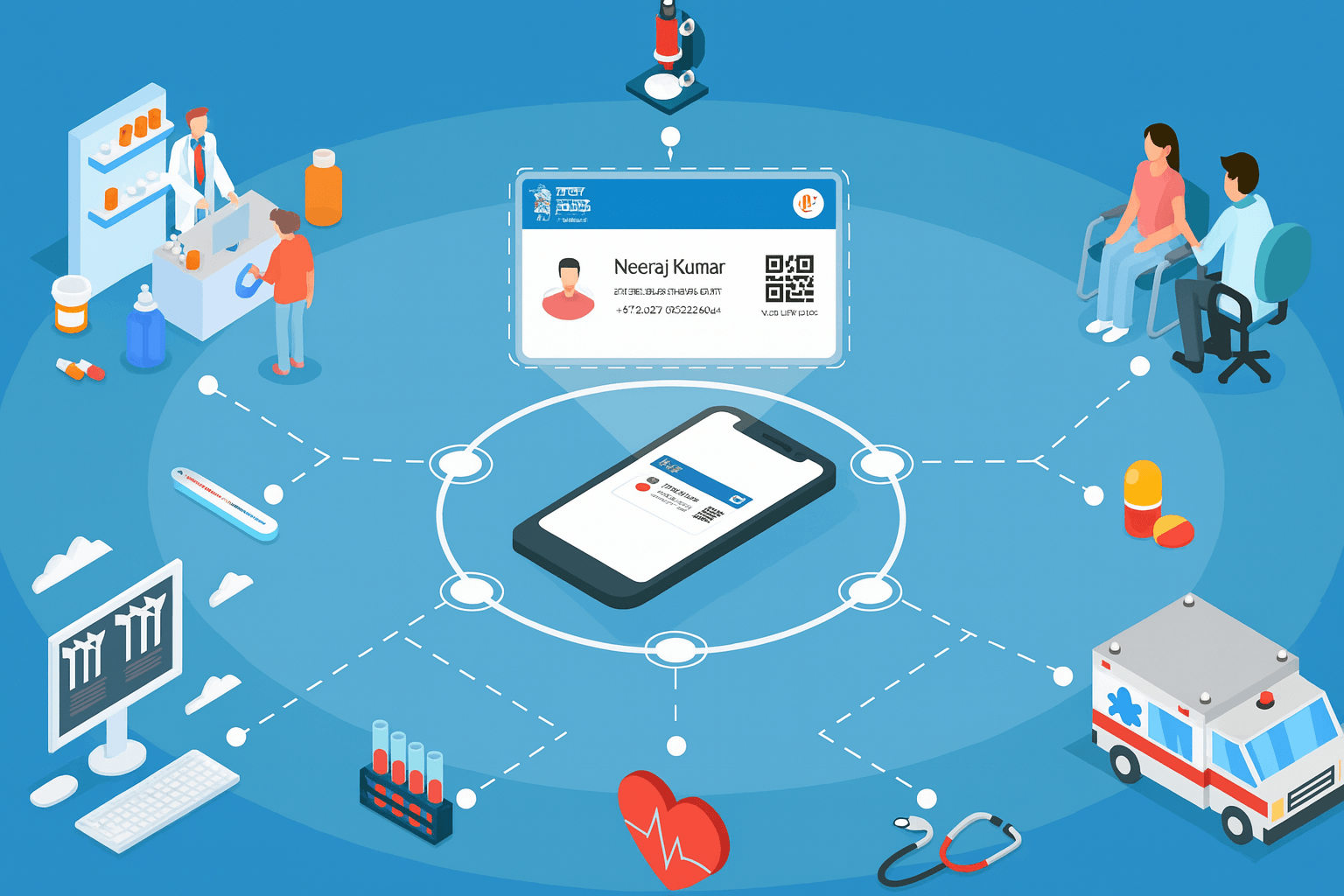
Healthcare is moving beyond the clinic. Technology has redefined how patients and providers interact, creating a system where support is constant. Digital tools now make it possible to manage care remotely without losing the personal connection that defines quality service.
Among these tools, Remote Patient Monitoring, Tele Triage, and Tele Advice have become the foundation of efficient care delivery. They connect data, communication, and guidance to improve outcomes while keeping operations agile.
Together, they show how modern digital health systems use data to enhance clinical performance, increase patient safety, and improve satisfaction. The future of healthcare depends on how well these components align to create continuous, coordinated support.
Remote Patient Monitoring in Everyday Practice
RPM, or Remote Patient Monitoring, allows care teams to track vital data from patients in real time. Devices like blood pressure monitors, pulse oximeters, or glucose sensors send information to healthcare systems automatically. This continuous observation helps detect early signs of change before a crisis occurs.
For patients, it means peace of mind. They know professionals are watching and can respond if something shifts. For providers, it reduces unnecessary visits, prevents readmissions, and supports long-term treatment management.
This model transforms care from reactive to proactive. It helps doctors adjust medication faster and encourages patients to stay consistent with their treatment. RPM brings a new rhythm to care, steady, connected, and data-driven.
Tele Triage as the First Line of Response
Tele Triage gives patients an immediate entry point for care. When a patient contacts a clinic with symptoms, trained nurses or medical agents evaluate the urgency. They ask targeted questions, follow clinical pathways, and decide whether the situation is mild or serious.
This approach ensures that emergencies receive attention first while routine issues are handled efficiently. It reduces emergency room congestion and directs resources where they are needed most.
For many hospitals, tele-triage is the backbone of virtual healthcare support. It blends technology with clinical judgment, improving the speed and accuracy of decision-making. Patients appreciate knowing that help is available without long waits or confusion.
Tele Advice for Health Awareness
Tele Advice focuses on patient education and reassurance. It’s the bridge between professional care and personal understanding. Patients can reach out for advice about side effects, symptoms, or preventive care and receive accurate, reliable guidance.
This model helps reduce anxiety and unnecessary appointments. Instead of visiting urgent care for minor issues, patients can get credible answers directly from trained professionals. It’s a cost-effective and patient-friendly solution that strengthens trust.
Tele-advice also supports the mission of continuous education. It helps people better understand their conditions and manage them responsibly. Over time, that knowledge turns into confidence, and confidence turns into healthier habits.
Clinical Coordination Through Integration
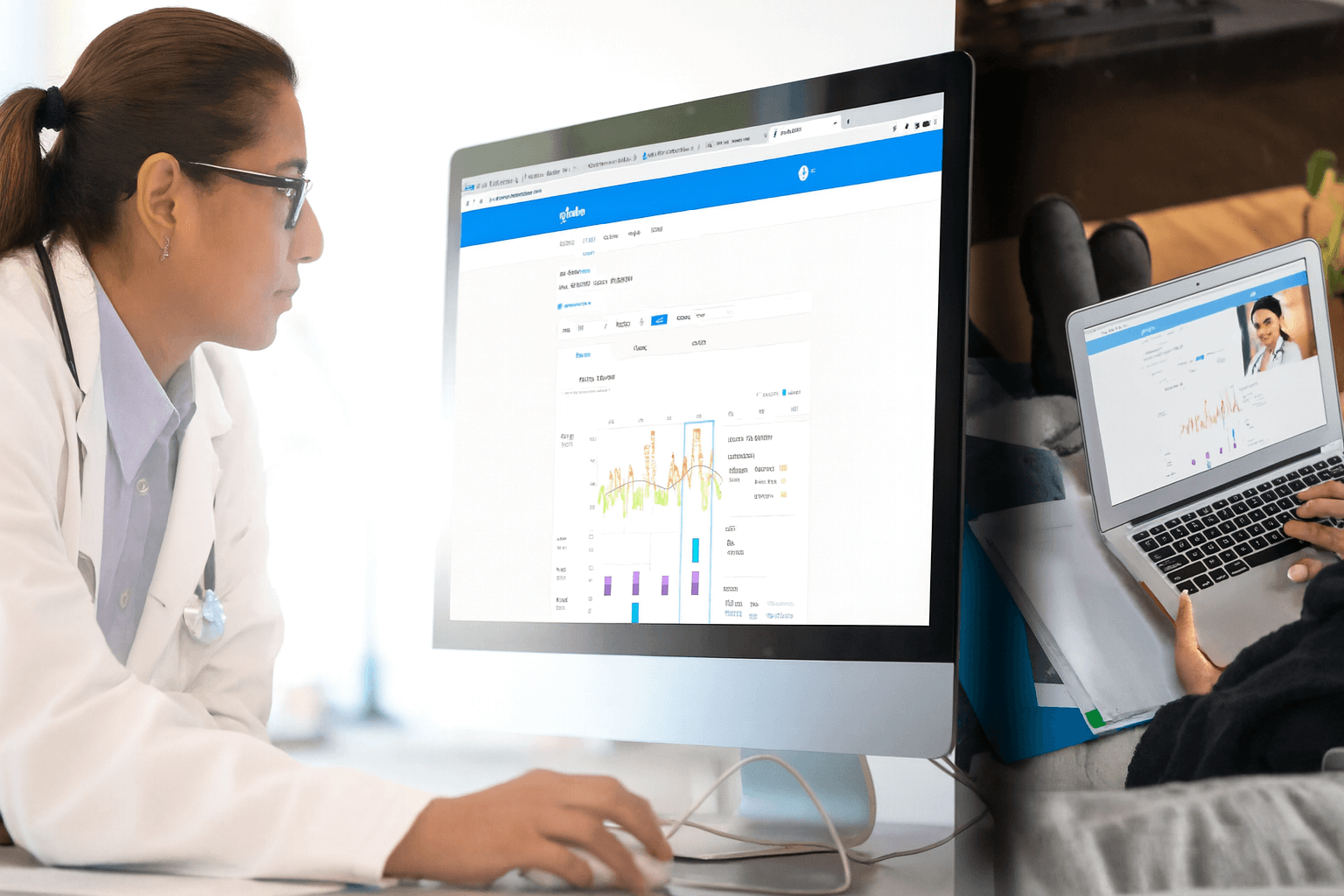
When Remote Patient Monitoring, Tele Triage, and Tele Advice operate together, they create a seamless network that supports both patient and provider. Each service performs a specific function monitoring, assessment, or education but they share one goal: keeping care continuous.
In clinical coordination, integration is everything. A patient’s RPM data might trigger a triage review, followed by an advisory call. Each stage passes vital context to the next, reducing risk and duplication.
For healthcare organizations and healthcare outsourcing partners, this integration drives efficiency. It combines automation with human oversight, allowing support teams to manage large patient populations without losing quality. The result is a smooth, transparent, and connected experience for everyone involved.
Patient Engagement and the Growth of Virtual Healthcare
Strong patient engagement defines successful care systems. Patients who participate in their care improve faster and stay committed to treatment. Digital systems make this participation simple. They allow patients to track readings, communicate easily, and get updates instantly.
This engagement builds trust and accountability. Providers can measure adherence, satisfaction, and performance with precision. In turn, patients feel supported every step of the way.
Virtual healthcare has grown because of this shared value. It connects empathy with technology, ensuring that care remains human even when delivered remotely. As engagement deepens, so does loyalty, which is essential for long-term health partnerships.

Building Stronger Care Connections
Healthcare transformation starts with connection. Every element from Remote Patient Monitoring to Tele Triage and Tele Advice contributes to a system that keeps patients informed and supported.
The path forward lies in integration. When technology, data, and people work together, care becomes efficient, accurate, and compassionate. Start building your next phase of healthcare excellence today by aligning your digital systems, clinical coordination, and education channels into one connected framework. That’s how modern care grows stronger through connection, collaboration, and innovation.